Woman and Man Talking Over Cup of Tea. Copyright: Iakov Filimonov
We all know the stereotypes. But where do they come from?
“Women have better social skills.”
Until about fifty years ago, the vast majority of women were relegated to the roles of wife and mother. Watch Pride and Prejudice. Parents pressured their daughters to be as charming as possible to catch the interest of a man and win his parents’ approval as well. To be a “good wife” was a woman’s JOB. Being a good spouse, a good partner, a good catch requires social skills. To do 100% of the raising of children also requires complex social skills. Think about the teachers you had in elementary school. Which ones the kids “liked,” which ones they didn’t. That was based on social skills. Raising or working with young children –> social skills. Men have always been taught that their aim in life should be to go for what they want, but women have been taught that their aim in life should be to please others. While going for what you want usually requires some social skills, pleasing others is, by definition, social skills.
This is more controversial, but it’s also not a stretch to imagine that a person barred from economic independence, who has to live with a physically bigger and stronger person to survive, might break out some *social skills* to make him less likely to batter her. For legal, economic, cultural, and physical reasons, women have always had to *understand* men to a greater extent than men had to understand women.
If we had a time machine and could go back and socialize with women from different eras, I think the women would have better social skills the farther back you go.
The transmission of social skills from mother to daughter is not hereditary, it is cultural. Mothers pass on to their daughters all the things that they personally deployed as women. Some of these lessons help, others keep the stereotypes going.
Think about young girls’ toys, movies, and books. They promote the cultivation of social skills. Being nice to each other. Getting along. Compromising. Apologizing and reconciling. (All of which are good things when men and women do them equally.)
I’m a girl who was a kid in the 90s and 00s. When I was a newborn, my dad’s friend asked him if he was going to “try for a boy.” My dad said, “What difference does it make?” Both my parents were egalitarian regarding gender, immigration, LGBT, race, everything. They raised me to do “boy stuff” and “girl stuff.” I was in organized sports every year ages 6-17. I grew up with no difference in my mind between being female and being male.
I also was a socially awkward child. I liked people and I wasn’t mean, I just didn’t really understand social interaction. What I really wanted was a manual with all the rules. In elementary school and middle school, before starting a conversation, I would write a list of things I could say to open it. From each thing I could say, I would do a flow chart of things the other person might say. I was trying to account for all the edge cases in advance and make sure that the conversation could not possibly fail.
Social skills are something I have worked on over time, because it’s important for everyone. I really enjoy spending time with other people and find them fascinating to get to know. I didn’t want to learn less about people I liked just because I was awkward and scared. This merely serves as just one example of a woman who was raised with a premise of gender equality from day one, whose social skills were not any better than the average boy or man. We all know men with great social skills and women whose social skills could improve.
So, this is where the stereotype comes from. History and culture. Not biology. So, let’s stop condoning these myths already! If you hear someone say women “naturally” have better emotional intelligence or social skills, call them out. Respectfully but firmly. If you hear someone say women have better emotional intelligence or social skills, but they don’t specify a biological component, they still might intend what they say to imply biology. Unless it is very clear that they are not implying any kind of biological component, it is important to clarify that any observable differences are due to socialization and not biology.
The proposition of women being biologically suited for different things entails that men are biologically suited for other things. Therefore, raving about all the things that women are supposedly “better at” actually hurts women. And whenever a trait is claimed to be biologically associated with women, there are men at the ready to pervert this notion and use it to disadvantage women. “I can’t be nice to women, because I’m a man and men biologically can’t be nice!” “I can’t listen to women, because I’m a man, men have naturally bad social skills, and therefore men just can’t listen!” “I can’t tell what’s offensive and what isn’t because I’m a man, and men biologically can’t pick up on these things!” “Male software engineers sexually harass women because we’re nerds, and nerds don’t have enough social skills to know what’s sexual harassment and what isn’t!” “It’s better for the mother to raise the children than the father. Fathers are just too insensitive. Guess that means women should drop out of the workforce to raise kids, and never come back!” There have been so many times when some guy told me that he wasn’t rude, he was just being a guy. The idea of a person taking PRIDE in their INABILITY to do something, or their own rudeness, sounds very strange on the surface, and yet men often loudly and proudly tout their inability to do skills coded as “girl stuff” or “woman stuff.” The idea that any man would take pride in his inability to parent sounds heartbreaking, and yet, Elon Musk referred to his son as an “eating, pooping machine” and proudly proclaimed that, “There’s really not much I can do about it.” So the man engineering electric cars can’t work out a diaper? And is willing to ADMIT it? There’s clearly more to that story, the “more” being that he thinks changing diapers is beneath him, but not beneath a woman. Slating some traits with men and other traits with women is never good when so many misogynistic men believe the most ignoble “guy thing” is better than the very best “girl thing.”
Patriarchy as a social system has differed across time and place. There is archaeological evidence that prehistoric humans (gatherer-hunters) respected women equally. Patriarchy is not biological. It’s not caused by testosterone. Yet men have always used bioessentialism — the idea that everything men and women can do, and should be allowed to do, is determined by our biology — to justify patriarchy. Their bioessentialism has been debunked. So if someone, female or male, uses a bioessentialist argument to support the idea that women are worthy of rights, workplace inclusion, and respect, it’s not a compliment and it’s not okay. Women deserve rights, workplace inclusion, and respect because we’re people. We don’t have to be innately better than men at anything to earn our keep.
The most elemental meaning of “patriarchy” is the father as the head of the family. This ideology, which has wrought so much global oppression against women, is carried on in the tradition of a man’s wife, and all of his children, bearing his surname. I believe that true gender equality — equality of social status and respect, not just things like the Equal Employment Opportunity Commission — requires an equal passing down of the father’s and the mother’s birth surnames. To this end, I am partial to a matrilineage and patrilineage running in parallel for cisgender heterosexual family members, with case by case egalitarian modifications for LGBT family members.
To illustrate how this might work, as well as just a small taste of its power, I have traced back the matrilineal surnames of notable women a few generations.
THE BAUMFREE WOMEN— THREE GENERATIONS
(from Sojourner Truth)
Baumfree, Elizabeth (c. 1777)
2. Baumfree, Isabella (1797-1883; daughter of Elizabeth) ~ suffragist and abolitionist
3. Baumfree, Diana (1815; daughter of Isabella)
Baumfree, Elizabeth II (1825; daughter of Isabella)
Baumfree, Sophia (1826; daughter of Isabella)
THE CAMPBELL WOMEN — FOUR GENERATIONS
(from Kim Kardashian)
Kristen CampbellKourtney CampbellKimberly Campbell Khloe CampbellKendall CampbellKylie Campbell
Campbell, Mary Jo (born 1934) ~ retail entrepreneur
2. Campbell, Kristen (born 1955; daughter of Mary Jo) ~ television host and talent manager
Campbell, Karen (born 1958; daughter of Mary Jo)
3. Campbell, Kourtney (born 1979; daughter of Kristen) ~ fashion designer and retail entrepreneur
Campbell, Kimberly (born 1980; daughter of Kristen) ~ fashion designer and cosmetics entrepreneur
Campbell, Khloe (born 1984; daughter of Kristen) ~ fashion designer and television host
Campbell, Kendall (born 1995; daughter of Kristen) ~ model and fashion designer
Campbell, Kylie (born 1997; daughter of Kristen) ~ cosmetics entrepreneur and fashion designer
4. Campbell, Penelope (born 2012; daughter of Kourtney)
Campbell, North (born 2013; daughter of Kimberly)
Campbell, Chicago (born 2018; daughter of Kimberly)
Campbell, True (born 2018; daughter of Khloe)
Campbell, Stormi (born 2018; daughter of Kylie)
THE DE SOLA WOMEN
(from Courtney Love)
de Sola, Candelaria
de Sola, Courtney ~ singer and actor
de Sola, Elsie ~ screenwriter
de Sola, Frances ~ visual artist and music journalism intern
2. Dugan, Kathleen II (born 1959; daughter of Kathleen) ~ fashion designer
Dugan, Kim (born 1964; daughter of Kathleen) ~ actor
Dugan, Kyle (born 1969; daughter of Kathleen) ~ actor
3. Dugan, Paris (born 1981; daughter of Kathleen II) ~ fashion designer and DJ
Dugan, Nicholai (born 1983; daughter of Kathleen II) ~ fashion designer
Dugan, Brooke (born 1986; daughter of Kim)
Dugan, Whitney (born 1990; daughter of Kim)
Dugan, Kimberly II (born 1995; daughter of Kim)
Dugan, Farrah (born 1988; daughter of Kyle)
Dugan, Alexia (born 1996; daughter of Kyle)
Dugan, Sophia (born 2000; daughter of Kyle)
Dugan, Portia (born 2008; daughter of Kyle)
4. Dugan, Lily (born 2016; daughter of Nicholai)
THE ECKHARDT WOMEN— FOUR GENERATIONS
(from Melanie Griffith)
Nathalie EckhardtMelanie EckhardtDakota Eckhardt
Eckhardt, Dorothea (born c. 1897)
2. Eckhardt, Patricia (born c. 1927; daughter of Dorothea)
Eckhardt, Nathalie (born 1930; daughter of Dorothea) ~ actor and model
3. Eckhardt, Melanie (born 1957; daughter of Nathalie) ~ actor and producer
4. Eckhardt, Dakota (born 1989; daughter of Melanie) ~ actor and producer
Eckhardt, Stella (born 1996; daughter of Melanie)
THE FULTON WOMEN — FIVE GENERATIONS
(from Jane Birkin)
Fulton, Mary
2. Fulton, Judith (1916 – 2004; daughter of Mary) ~ actor
3. Fulton, Jane (born 1946; daughter of Judith) ~ singer and actor
4. Fulton, Kate (1967 – 2013; daughter of Jane) ~ photographer
5. Fulton, Charlotte (born 1971; daughter of Jane) ~ actor and singer
6. Fulton, Lou (born 1982; daughter of Jane) ~ actor and singer
7. Fulton, Alice (born 2002; daughter of Charlotte)
8. Fulton, Jo (born 2011; daughter of Charlotte)
THE GARRITT WOMEN — TEN GENERATIONS
(from Queen Elizabeth II)
Anne GarrittCecilia Garritt II, Countess of Strathmore and KinghorneMary Garritt IIElizabeth Garritt, Queen Consort of the United KingdomMargaret GarrittQueen Elizabeth IIPrincess Margaret IIPrincess Anne IIIZara Garritt
Garritt, Mary (c. 1765)
2. Garritt, Frances (c. 1785; daughter of Mary)
3. Garritt, Anne (1805-1881; daughter of Frances)
4. Garritt, Caroline (1832-1918; daughter of Anne)
Garritt, Cecilia (c. 1835-1869; daughter of Anne)
Garritt, Gertrude (c. 1837-1865; daughter of Anne)
Garritt, Ida (1839-1886; daughter of Anne)
5. Garritt, Cecilia II (1862-1938; daughter of Caroline)
Garritt, Ann II (1864-1932; daughter of Caroline)
Garritt, Hyacinth (1864-1916; daughter of Caroline)
6. Garritt, Violet (1882-1893; daughter of Cecilia II)
Garritt, Mary II (1883-1961; daughter of Cecilia II)
Garritt, Rose (1890-1967; daughter of Cecilia II)
Garritt, Elizabeth (1900-2002; daughter of Cecilia II)
7. Garritt, Jean (1915-1999; daughter of Mary II)
Garritt, Margaret (1925-2016; daughter of Mary II) ~ personal assistant
Garritt, Mary III (1917-2014; daughter of Rose)
Garritt, Elizabeth II (born 1926; daughter of Elizabeth) ~ Queen of the United Kingdom
Garritt, Margaret II (1930-2002; daughter of Elizabeth) ~ Princess of the United Kingdom
8. Garritt, Annabel (born 1952; daughter of Margaret)
Garritt, Victoria (born 1953; daughter of Margaret)
Garritt, Anne III (born 1950; daughter of Elizabeth II) ~ Princess of the United Kingdom and Olympic equestrian
Garritt, Sarah (born 1964; daughter of Margaret II) ~ Princess of the United Kingdom and painter
9. Garritt, Zara (born 1981; daughter of Anne III) ~ Olympic equestrian
Morse, Charlotte (1809 – 1884; daughter of Martha)
Morse, Mary (born 1813; daughter of Martha)
3. Morse, Martha II (1837 – 1927; daughter of Charlotte)
Morse, Caroline (1839 – 1924; daughter of Charlotte) ~ teacher
Morse, Eliza ( 1842 – 1931; daughter of Charlotte)
Morse, Charlotte II (daughter of Charlotte)
Morse, Jane (daughter of Charlotte)
4. Morse, Mary II (1865 – 1928; daughter of Caroline) ~ made fly nets for horses
Morse, Laura (1867 – 1957; daughter of Caroline) ~ teacher and author
Morse, Caroline II (1870 – 1946; daughter of Caroline) ~ typesetter
Morse, Grace (1877 – 1941; daughter of Caroline) ~ journalist and teacher
5. Morse, Rose (1886 – 1968; daughter of Laura) ~ journalist and author
THE MURRAY WOMEN
(from Hillary Clinton)
Murray, Chelsea ~ news correspondent and author
Murray, Della
Murray, Dorothy ~ housekeeper
Murray, Hillary ~ university chancellor and secretary of state
THE NIEDBALSKI WOMEN
(from Alex Sykes)
Niedbalski, Alex
Niedbalski, Olivia
THE PASSIOS WOMEN
(from Carolina Herrera)
Passios, Ana
Passios, Carolina
Passios, Maria
Passios, Maria II ~ fashion designer
Passios, Mercedes
Passios, Patricia
THE PEOPLES MEN AND WOMEN— THREE GENERATIONS
(from Wanda Sykes)
Peoples, Marion ~ banker
2. Peoples, Wanda ~ actor and comedian
3. Peoples, Lucas
THE PRICE WOMEN
(from Serena Williams)
Price, Oracene ~ tennis coach and nurse
2. Price, Isha
Price, Lyndrea
Price, Serena ~ tennis player and venture capitalist
Price, Venus ~ tennis player
Price, Yetunde ~ businessperson and nurse
THE PLANCHE WOMEN — FOUR GENERATIONS
(from Carla Bruni)
Planche, Renee
2. Planche, Marisa (daughter of Renee) ~ pianist and actor
3. Planche, Carla (daughter of Marisa) ~ singer and model
Planche, Valeria ~ actor and screenwriter
4. Planche, Giulia (daughter of Carla)
THE PORTELL WOMEN
(from Britney Spears)
Portell, Britney ~ singer and actor
Portell, Ivey
Portell, Jamie Lynn ~ actor
Portell, Lillian
Portell, Lynne ~ teacher and daycare worker
Portell, Maddie
THE ROBINSON WOMEN
(from Olave Baden-Powell)
Robinson, Agnes
Robinson, Anne
Robinson, Auriol
Robinson, Betty
Robinson, Eliza
Robinson, Heather
Robinson, Olave
THE ROBINSON WOMEN
(from Patti LaBelle)
Robinson, Barbara
Robinson, Bertha ~ domestic worker
Robinson, Jacqueline
Robinson, Patricia ~ singer and actor
Robinson, Vivian
THE ROSE WOMEN
(from Kelly Clarkson)
Rose, Alyssa
Rose, Jeanne ~ teacher
Rose, Kelly ~ singer and television host
Rose, River
THE ROSENBURG WOMEN
(from Dianne Feinstein)
Rosenburg, Betty ~ model
Rosenburg, Eileen ~ Electoral College member
Rosenburg, Dianne ~ senator and nonprofit executive
Rosenburg, Katherine ~ judge and attorney
THE SCHWAB WOMEN
(from Katy Perry)
Schwab, Angela
Schwab, Daisy
Schwab, Katheryn ~ singer and fashion designer
Schwab, Mary ~ pastor
Schwab, Pauline ~ Alcoholics Anonymous aide
THE SERGEANT WOMEN
(from Edith Ewing Bouvier Beale)
Sergeant, Edith ~ singer
Sergeant, Edith II ~ model and singer
Sergeant, Maude
Sergeant, Maude II
Sergeant, Michelle
THE SHERRARD WOMEN
(from Laura Bush)
Sherrard, Barbara ~ activist
Sherrard, Cora
Sherrard, Jenna ~ bookkeeper
Sherrard, Jenna II ~ news anchor and author
Sherrard, Jessie
Sherrard, Laura ~ teacher and librarian
Sherrard, Poppy
THE SIGGERS WOMEN
(from Aretha Franklin)
Siggers, Aretha ~ singer
Siggers, Barbara
Siggers, Carolyn ~ singer
Siggers, Erma ~ singer
Siggers, Sabrina
THE SMITH WOMEN
(from Demi Lovato)
Smith, Beverley ~ singer and musical theater actor
Smith, Dallas
Smith, Demetria ~ singer and actor
Smith, Dianna ~ cheerleader
Smith, Madison
THE STEWART WOMEN— SIX GENERATIONS
(from Martha Bulloch Roosevelt)
Stewart, Martha (1799-1864)
2. Stewart, Susan (1820-1905; daughter of Martha)
Stewart, Anna (daughter of Martha)
Stewart, Martha II (1835-1844; daughter of Martha)
3. Stewart, Anna II (1855-1931; daughter of Martha II)
Stewart, Corinne (1861-1933; daughter of Martha II) ~ poet
4. Stewart, Corinne II (1886-1971; daughter of Corinne) ~ congressperson
5. Stewart, Corinne III (1912-1997; daughter of Corinne II)
6. Stewart, Corinne IV (daughter of Corinne III)
THE VAN LIMBURG-STIRUM WOMEN
(from Cara Delevingne)
van Limburg-Stirum, Anna
van Limburg-Stirum, Cara ~ actor and model
van Limburg-Stirum, Chloe
van Limburg-Stirum, Janie ~ personal assistant
van Limburg-Stirum, Pandora
van Limburg-Stirum, Poppy ~ actor and model
THE WILLIAMSON MEN AND WOMEN
(from Melissa Etheridge)
Williamson, Beckett
Williamson, Elizabeth ~ computer consultant
Williamson, Johnnie
Williamson, Melissa ~ singer
Williamson, Miller
When it comes to women taking their husband’s last name, and/or giving all her kids her husband’s last name, there seem to be two camps: those who support the woman’s choice to do so, and those who hate the woman for doing so. It’s easier to focus on the woman’s role than the man’s: after all, it is her name. But most women report making the “choice” due to intense pressure from their fiance and his family. One Australian family reported that, after passing on the mother’s surname to all their children, the father’s parents refused to have any communication with the children.
Patriarchy is an ideology and system invented by men. The Western brand originated in ancient Mesopotamia with the advent of mechanized agriculture, circa 10,000 BCE. Archaeologists have linked it to the invention of the plow. The plow thing is true of Eastern patriarchy as well. When one does genetic, archaeological, prehistoric, historical, and cross-cultural analyses, one will find that patriarchy is not a biological inevitability, it has not existed “for all of time,” and men’s attitudes toward women varied widely across cultures. Key moments in the proliferation of Western patriarchy include the Code of Hammurabi, the male Greek philosophers, the military exploits of Alexander the Great, the Bible, the Quran, global coercive conversion to Christianity and Islam, and of course, global colonialism by Christian Europeans and the genocide of Indigenous Americans, many of whom had much better attitudes toward women (the Haudenosaunees and the Tainos being just two examples).
The continuance of patriarchal traditions, norms, and stereotypes today are primarily the fault of men. Internalized misogyny, which takes different forms from woman to woman, is also primarily the fault of men: fathers, boyfriends, male bosses and coworkers, harassers and trolls, and sexist movies, music, and advertising written, directed, and financed primarily by men. Misogynistic men are evil because ignorance in 2022 is unforgivable. I obtained all the information in this post for free. “I didn’t know” isn’t true. It’s a lie. What they’re really saying is, “I don’t care to know.”
So while one should not go on a witch hunt (another ancient patriarchal tradition) for women who take their husband’s last name and give all their children, including their daughters, their husband’s last name, it is not unreasonable to hope for, and to even expect, more equitable traditions going forward. Always question the role of the man in the relationship. Sometimes a new surname really is 100 percent the woman’s idea: but most of the time it’s not.
I used Ancestry, combined with old family records of my grandmother’s, to trace my matrilineage back nine generations.
THE FITZGIBBON WOMEN— TEN GENERATIONS
Fitzgibbon, Elizabeth (1749-1814)
2. Fitzgibbon, Bridget (1771-1869; daughter of Elizabeth)
3. Fitzgibbon, Catherine (born 1792; daughter of Bridget)
Fitzgibbon, Margaret (born 1796; daughter of Bridget)
Fitzgibbon, Bridget II (born 1815; daughter of Bridget)
Fitzgibbon, Ellen (born 1820; daughter of Bridget)
4. Fitzgibbon, Catherine II (born 1818; daughter of Margaret)
Fitzgibbon, Kate (1830-1891; daughter of Margaret) ~ housekeeper; immigrated from Ireland to the United States
Fitzgibbon, Bridget II (1833-1899; daughter of Margaret)
5. Fitzgibbon, Anna (1860-1935; daughter of Kate) ~ bridge foreman
Fitzgibbon, Bridget III (born 1869; daughter of Bridget II)
Fitzgibbon, Mary (1860-1939; daughter of Bridget II)
Fitzgibbon, Sadie (1874-1936; daughter of Bridget II)
6. Fitzgibbon, Kathryn III (1880-1964; daughter of Anna) ~ bookkeeper
Fitzgibbon, Ada (born 1883; daughter of Anna)
Fitzgibbon, Lillian (born 1886; daughter of Anna)
Fitzgibbon, Maud (born 1889; daughter of Anna)
Fitzgibbon, Marie (c. 1890; daughter of Mary)
7. Fitzgibbon, Alice (1905-1965; daughter of Kathyrn)
Fitzgibbon, Helena (c. 1908; daughter of Kathryn)
Fitzgibbon, Ada II (1917-1993; daughter of Kathryn)
Fitzgibbon, Camilla (1923-1993; daughter of Kathryn)
Fitzgibbon, Ada III (born 1920; daughter of Ada)
8. Fitzgibbon, Sylvia (born 1936; daughter of Alice) ~ nonprofit executive
9. Fitzgibbon, Dawn (born 1963; daughter of Sylvia) ~ paralegal
10. Fitzgibbon, Brette (born 1992; daughter of Dawn) ~ copywriter (That’s me!)
Fitzgibbon, Darin (born 1995; daughter of Dawn) ~ paralegal
I am going to legally change my last name to Fitzgibbon. When one changes one’s surname in marriage, the process is free and easy. But when one changes one’s given name or surname for another reason, it is expensive and arduous. One must pay $435 AND publish the proposed name change in a newspaper in case anybody objects! More evidence that our society promotes and rewards the suppression of female identity.
But I don’t care how inconvenient it is, I’m doing it ASAP. My matrilineal name will appear on my birth certificate. My social security card. My driver’s license. My passport. My death certificate. Everything I accomplish in this life from that point on will bear that name. And I will emblazon it with pride. My taking this name will honor all of my female ancestors, because for a woman to adopt a last name not assigned by a man is a revolutionary act. By reclaiming my matrilineage, I will be reclaiming my female history and identity, and proving that history need not always be written by the oppressors.
From the time I was an adolescent girl, I was taught not to expect much from a male romantic partner, to take what I could get. That’s not a good stereotype for anybody, but it’s true, this was and is the omnipresent message society gives me. In a country where only 20 percent of men are feminists, all a woman can do is shut up, find love, and not die alone, right? But I encourage every woman to stay true to herself, and to break up (or get divorced) from anyone who pressures her to make a choice she does not want to make. To understand that she absolutely deserves any perk a man gets — including passing down her last name to her children. It’s a way to claim history for a group of people — women — who are wrongfully assumed not to have any.
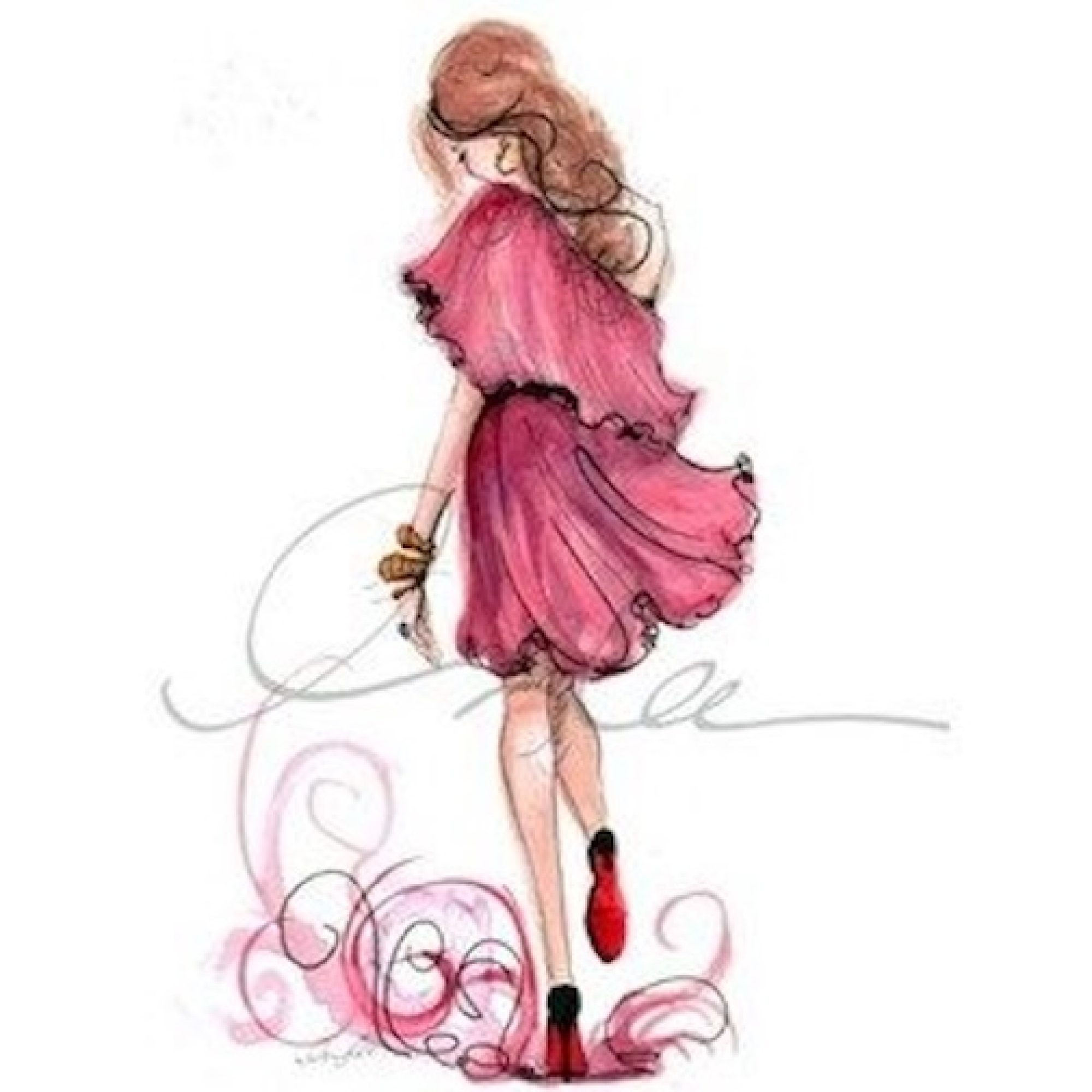
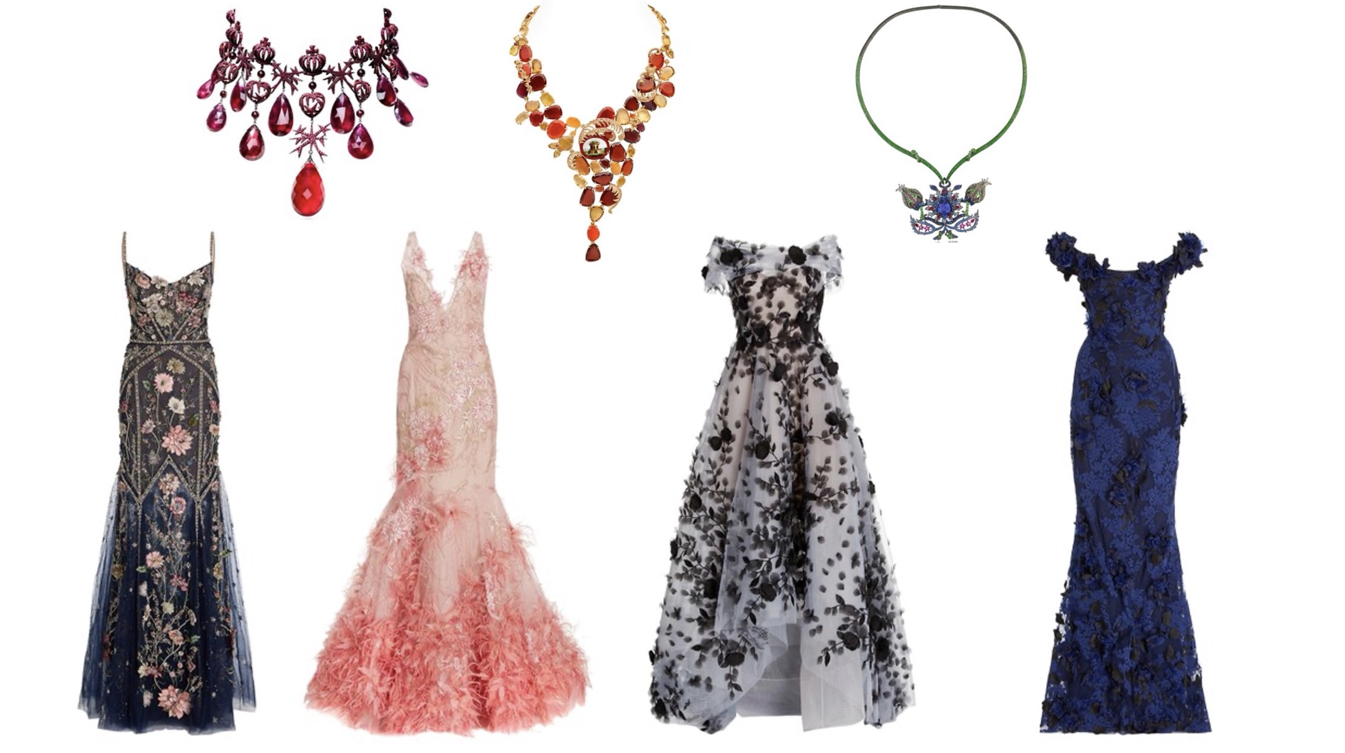
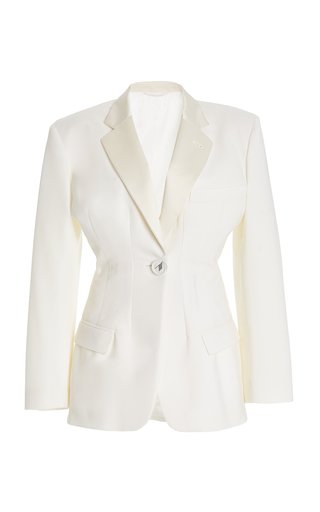
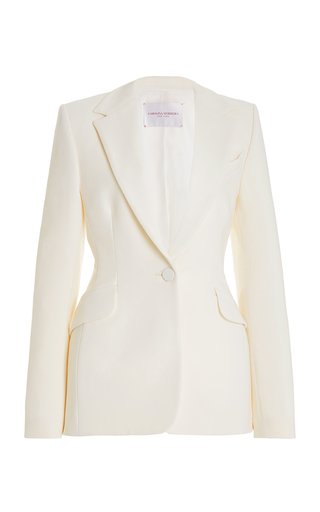
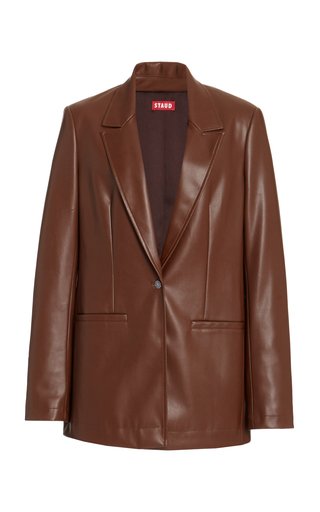
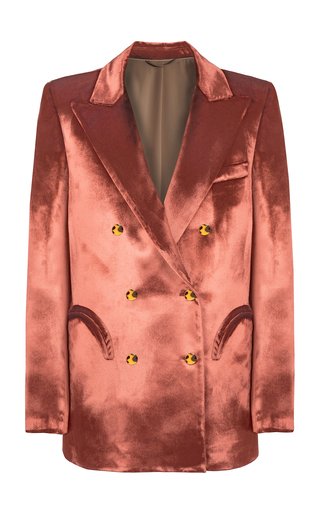
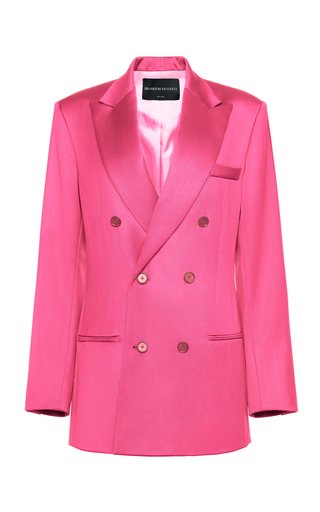
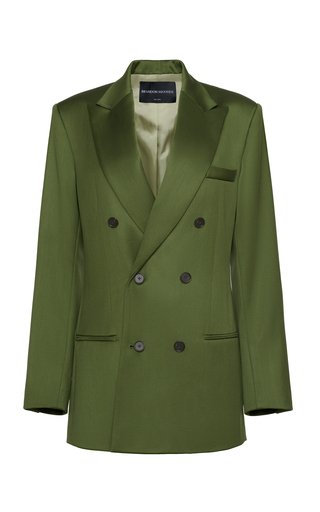
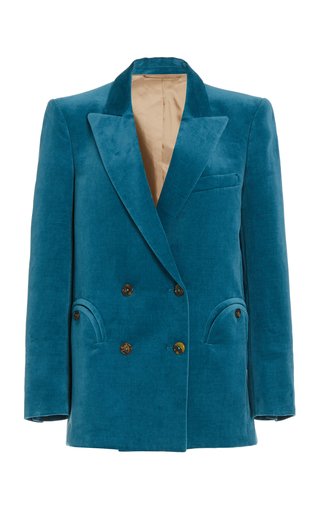
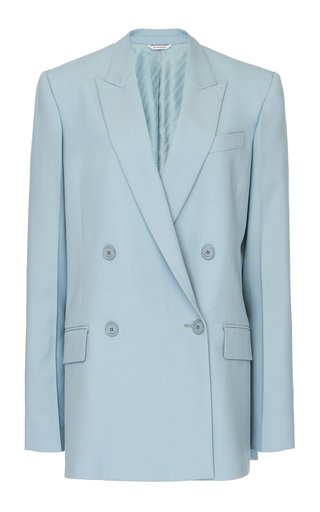
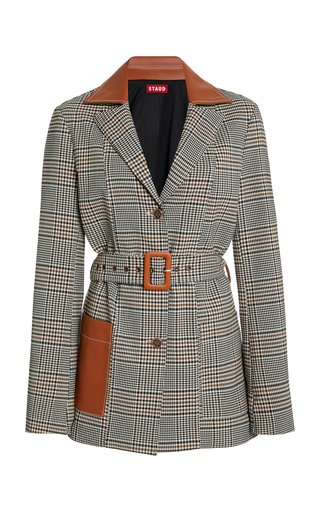
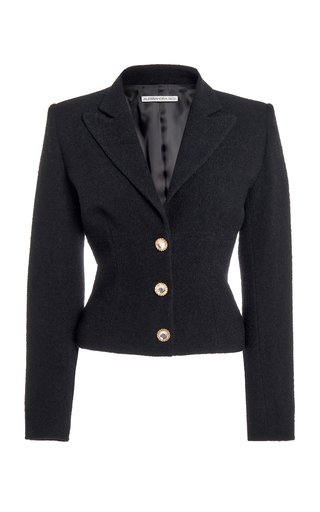
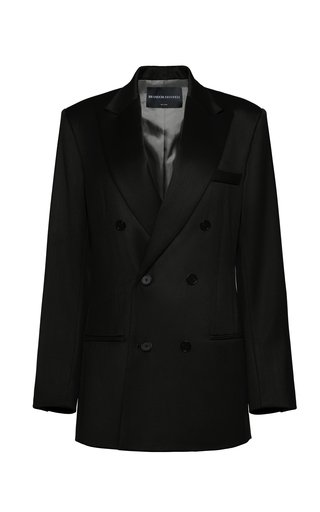
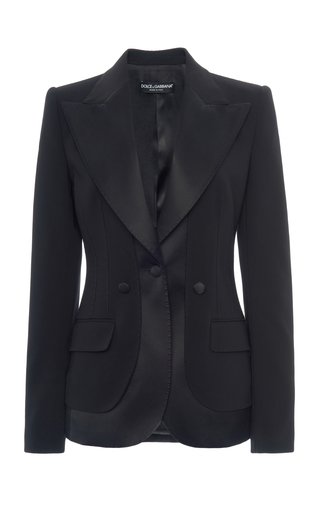
When I was in seventh grade, I started writing a fantasy saga about the world in the time of prehistoric humans, a place in which elves, fairies, giants, merfolk, sea serpents, and sorcerers reigned supreme. One land of the sorcerers, an island off the coast of modern-day France, was called Et Paix (which, unbeknownst to me at the time, means “And Peace”). It was a land inhabited entirely by witches who wore extravagant evening attire every day. Each year, a convention of all the witch princesses of the world was held. Below are looks inspired by my childhood dream.
I have finally decided to get rid of the sexist songs from my Spotify playlists. I’m a self-respecting woman, so why did it take me so long? No good reason, only that sexist songs are ubiquitous and most people don’t seem to care. But these are not acceptable excuses to finance music that perpetuates stereotypes and oppression. Which songs from which artists is not even worth mentioning, because the last thing I want to do is give them a plug!
I highly encourage you all to take inventory and rid yourselves of any sexist music you might have. We are already exposed to way too many sexist influences to also curate them.
















:format(webp):mode_rgb():quality(90)/discogs-images/R-427948-1542237698-6105.jpeg.jpg)





![Magical Mystery Tour [Reissued] [Remastered] [180-gram Vinyl]: Amazon.sg: Music](https://m.media-amazon.com/images/I/91Sx7bFxVmL.jpg)













 Blissful Style